The problem
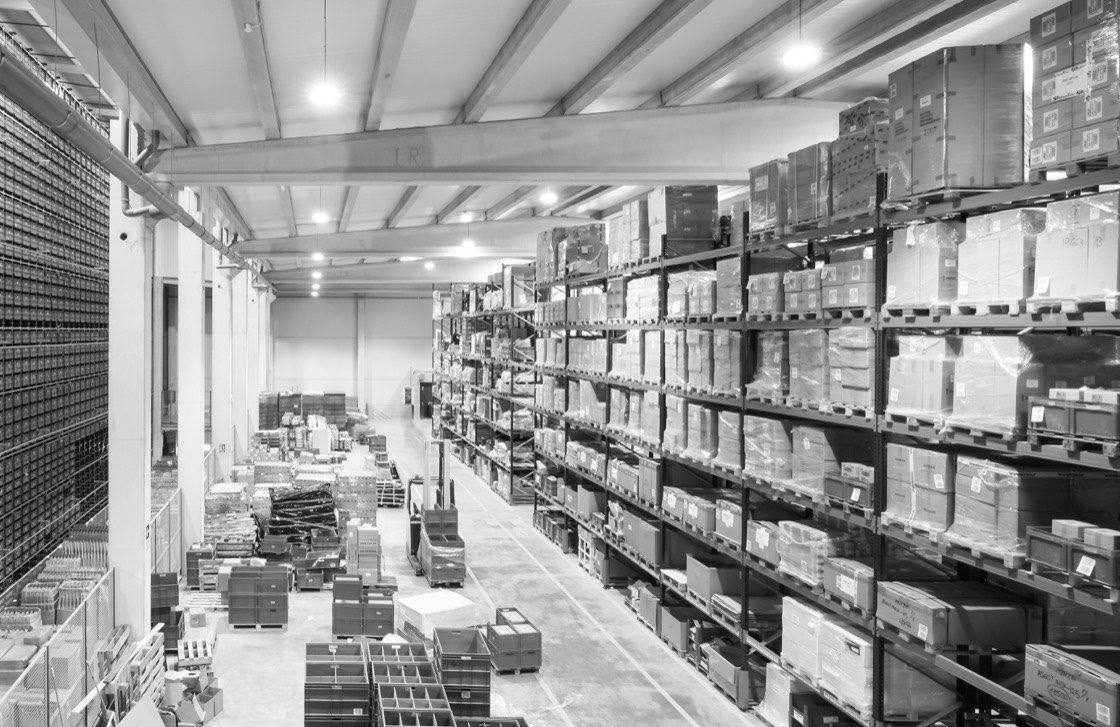
Holloway had doubled in four years. The way orders moved through the business had not changed since it had 60 people. A customer’s order went from sales to booking to the warehouse to dispatch, and at each step it waited for someone to notice it.
By early 2025 the average order took nine working days to leave the building. Two of their three largest customers had told them, in writing, that they were looking elsewhere.
What we did
The two-week review was mostly listening. I interviewed 22 people, spent three days on the warehouse floor and followed 40 orders from start to finish. The report was twelve pages and named three changes: one person owns each order from booking to dispatch; booking and the warehouse share one daily list, reviewed together for fifteen minutes each morning; and any order that has not moved in 24 hours goes to the operations lead.
Example Example quote, from a made-up client. Use a real client’s words only with their permission.
“We thought we needed a new warehouse system. We needed to stop passing orders over the wall.”
Dana Ruiz, Chief Operating Officer, Holloway Freight
What changed
By the end of July, order to dispatch had fallen from nine working days to four, and it has stayed between three and five since. Both of the large customers renewed. Nobody was hired and no software was bought.
What I would do differently
I underestimated how much the night shift would feel left out of a morning meeting. We added a written handover at 6pm in week six; it should have been there from the start.
This is example content from the Card theme. Replace it with your own, or move it to the bin.